A Candy Cane Design Ready for the Hoop
When I first opened the Merry Christmas Candy Canes Illustration, my immediate thought was not about a digital file on a screen, but about how it would translate into thread. That’s the lens I always use: how will this design look, feel, and perform once it’s stitched out onto real fabric for a real project? This illustration isn’t just a graphic; it’s a blueprint for a festive, handmade product.
The Sweet First Impression: A Classic Mood with Clean Lines
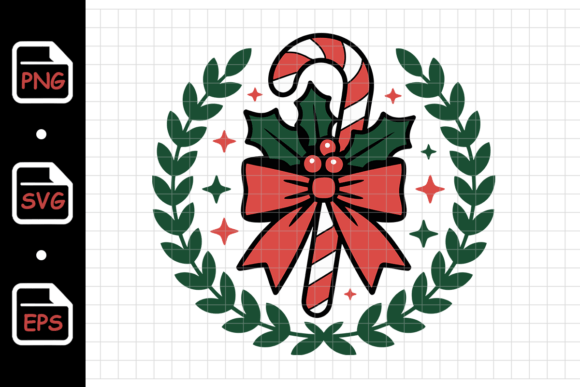
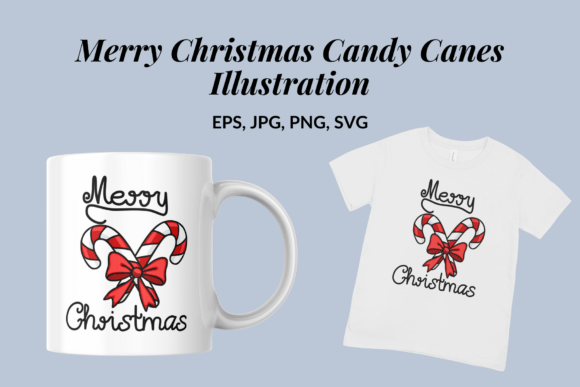
The design presents two candy canes tied with a bow and the clean “Merry Christmas” message. The mood is instantly classic and sweet—uncomplicated holiday cheer. For an embroidery designer, this is promising. The shapes are clear, the layout is balanced, and the detail level feels intentional. There are no overly tiny elements that might vanish under a satin stitch. The visual personality is friendly and traditional, which tells me it belongs naturally to projects meant for gifting or nostalgic holiday decor.
Where This Design Finds Its Home: From Totes to Tea Towels
In practical terms, I envision this Merry Christmas Candy Canes Illustration stitching out beautifully on a cozy cotton sweatshirt for a holiday family photo, or as a standout feature on a canvas tote bag for a craft fair. Its straightforward charm would work wonderfully on a baby’s holiday bib or a simple patch sewn onto a winter cap. Think of kitchen towels, apron pockets, or pillow covers for a festive living room. For small business owners, like Etsy sellers or boutique owners, this design could anchor a whole line of holiday merchandise—embroidered onto blankets, tea towels, or as a personalized gift on a keepsake ornament.
The scale and theme also make it a strong candidate for digital product previews and printable mockups. If you’re a digital product seller offering this as an embroidery file, its clear composition will show well in listings, helping potential buyers instantly see its application for their own craft business or commercial embroidery projects.
Navigating the Stitch: Practical Considerations for Real Projects
Now, let’s talk about the nitty-gritty of turning this illustration into a finished product. I’m thinking through a specific scenario: preparing a custom embroidered holiday apron as a gift. How will this design perform?
The candy cane stripes and the bow offer excellent areas for fill stitch or color-blocking with satin stitch. The lettering “Merry Christmas” is a key point. Its clarity is paramount. On a textured fabric like an apron’s cotton twill, you’ll need a good stabilizer to keep those letters sharp and prevent puckering. The overall shape isn’t overly dense, which is good—it means less bulk and a cleaner look on custom apparel.
Caution Zones: Where to Pay Extra Attention
This design should be used carefully in a few specific situations. On very small hoop sizes, the entire composition might need scaling down, and you must inspect the small details of the bow and the lettering to ensure they remain distinct. On thin or stretchy fabrics, like some t-shirts, the stabilizer choice becomes critical to avoid distortion.
On dark fabric backgrounds, you’ll need to carefully plan your thread colors for contrast—the traditional red and white of the candy canes will need to pop, possibly with a bright white or even a metallic thread for impact. Embroidering on curved surfaces like caps requires considering how the straight lines of the candy canes will adapt to the curve. And for any product destined for frequent washing, like a baby item or kitchen towel, a robust stitch density and secure stitching will ensure longevity.
The Impact Beyond the Stitches: Value, Trust, and Presentation
Choosing a design like Merry Christmas Candy Canes Illustration affects more than just the aesthetics of a single item. It influences the perceived value of your handmade product. A clean, well-executed embroidery of a recognizable, joyful theme enhances customer trust. It looks professional and intentional.
For a creative entrepreneur, this consistency can bolster brand consistency across a holiday collection. The design’s inherent giftability and instant recognition make it a strong candidate for products meant to evoke warmth and tradition. It engages buyers because it communicates a clear, festive message without ambiguity. In a crowded marketplace, that clarity in your Etsy listings or small shop product descriptions can be a real advantage.
Essential Designer Notes Before You Hoop
Before you commit this design to a client’s project or your own inventory, here’s my standard checklist. Always test the design on scrap fabric first, using the same material and stabilizer you plan for the final product. This reveals how the stitch density behaves and if any areas need adjustment.
- Check thread color contrast against your final fabric, both light and dark backgrounds.
- Review the small details in your test stitch—are the bow’s loops and the lettering crisp?
- Confirm the physical hoop size needed for your desired final output size.
- Use proper stabilizer for your specific fabric texture.
- Consider testing the design in a black-and-white mockup to assess pure form and composition.
- Most importantly, check the licensing terms of the digital embroidery file. Ensure it permits use for personal and commercial projects if you intend to sell the finished items. Never assume.
Whether you’re creating a one-off personalized gift or producing a run of embroidered patches for your shop, this practical groundwork turns a promising illustration into a successful, stitched reality. The Merry Christmas Candy Canes Illustration has the foundational strength to be that success—a classic holiday motif waiting to be brought to life with thread.